Lawnmower Blenny (Salarias Fasciatus)
Lawnmower Blenny (Salarias fasciatus)
The Lawnmower Blenny, also known as the Algae Blenny or Jeweled Rockskipper, is the undisputed king of utility in the marine hobby. While it may not win any beauty contests with its "grumpy" face and camouflage colors, it is often the first fish added to a new reef to manage algae. It is famous for its massive appetite and its charming, hop-like swimming style.
Key Information
-
Common Names: Lawnmower Blenny, Algae Blenny, Rockskipper, Sailfin Blenny
-
Scientific Name: Salarias fasciatus
-
Origin: Indo-Pacific (East Africa to the Marquesas, very common in Indonesia)
-
Max Size: 12–14 cm (approx. 5 inches)
-
Lifespan: 2–5 years
-
Temperament: Peaceful; but can be territorial toward similar-shaped fish
-
Diet: Herbivore – A specialist in hair and film algae
-
Care Level: Easy
Appearance & Identification
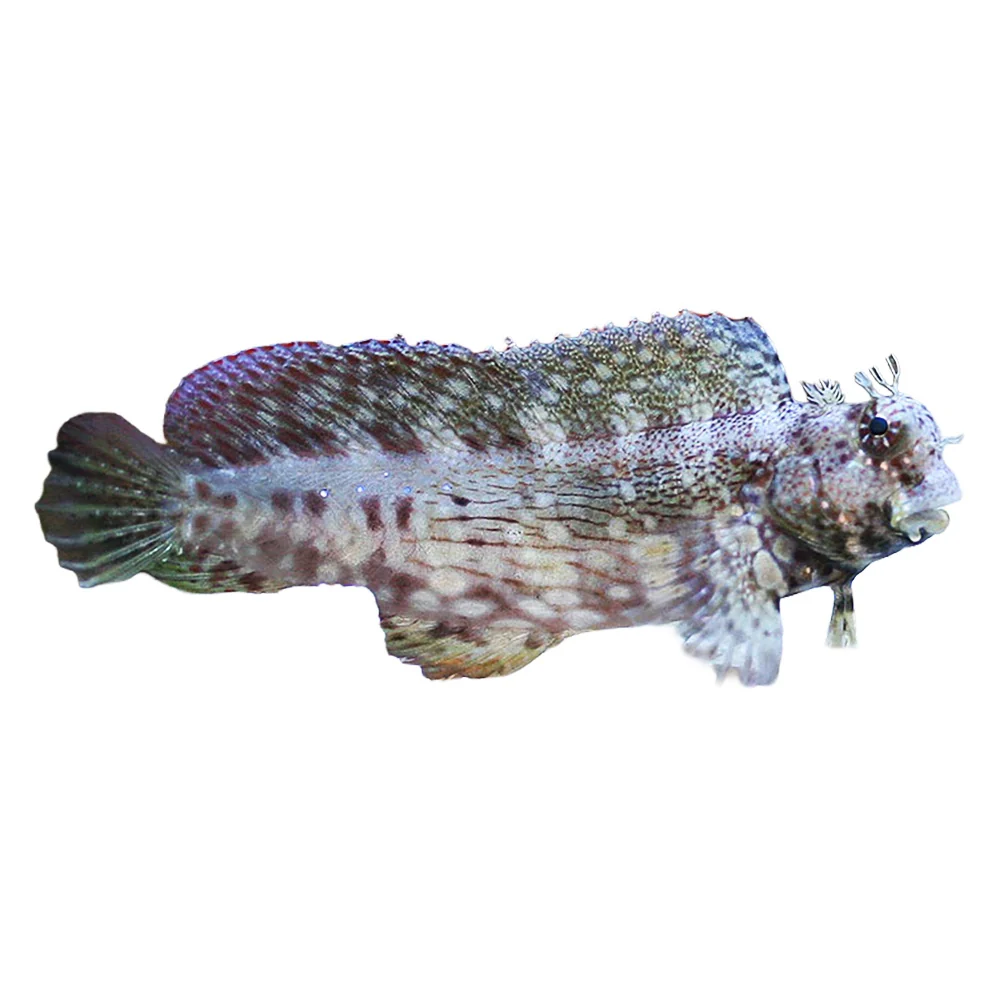
The Lawnmower Blenny is designed to disappear into the rockwork:
-
The Pattern: A mottled mix of tan, grey, green, and white bars and spots. It can shift its color intensity to match the specific rock it is sitting on.
-
The Face: Large, "froglike" eyes that move independently and a wide, comb-toothed mouth designed for scraping rocks.
-
The "Eyelashes": Features small, branched tentacles (cirri) above the eyes, which add to its comical appearance.
Behaviour & Tank Compatibility
-
The Grazer: True to its name, it spends the entire day "mowing" the rocks. You will see distinct lip marks on the glass and rocks where it has scraped away algae.
-
The Percher: Lacking a swim bladder, it doesn't "swim" in the traditional sense. Instead, it hops from rock to rock and perches on its pectoral fins, watching the tank.
-
Reef Safe: 100% Reef Safe. They are excellent for corals as they prevent algae from smothering sensitive polyps.
-
Social Structure: Keep only one per tank. They are extremely territorial toward their own kind and other blennies (like the Starry Blenny) unless the tank is very large.
-
Tank Mates: Excellent with Clowns, Tangs, and Wrasses. It may occasionally nip at the fins of very slow-moving fish or other bottom-dwellers if it feels its territory is threatened.
Ideal Tank Setup
-
Tank Size: A minimum of 115L (30 Gallons) is required.
-
Maturity: This fish should be added to a mature tank with visible algae growth. In a brand-new, sterile tank, they can quickly starve.
-
Rockwork: Provide plenty of live rock with flat "perching" surfaces and deep crevices where it can hide at night.
-
Lid is Mandatory: While they stay on the rocks, they are notorious for "skipping" out of the tank if they are startled or chasing a rival.
Dietary Needs: The "Fat Belly" Rule
A healthy Lawnmower Blenny should always have a slightly rounded belly. If the belly looks pinched or concave, it is not getting enough to eat.
-
Natural Algae: Their primary food is green hair algae and film algae.
-
Supplemental: If your tank is "too clean," you must provide Nori (dried seaweed) and high-quality herbivore pellets or spirulina flakes.
-
Note: Some individuals are picky and will refuse prepared foods, so ensuring a natural algae supply is the safest bet.
Lawnmower Blenny (Salarias fasciatus)
The Lawnmower Blenny, also known as the Algae Blenny or Jeweled Rockskipper, is the undisputed king of utility in the marine hobby. While it may not win any beauty contests with its "grumpy" face and camouflage colors, it is often the first fish added to a new reef to manage algae. It is famous for its massive appetite and its charming, hop-like swimming style.
Key Information
-
Common Names: Lawnmower Blenny, Algae Blenny, Rockskipper, Sailfin Blenny
-
Scientific Name: Salarias fasciatus
-
Origin: Indo-Pacific (East Africa to the Marquesas, very common in Indonesia)
-
Max Size: 12–14 cm (approx. 5 inches)
-
Lifespan: 2–5 years
-
Temperament: Peaceful; but can be territorial toward similar-shaped fish
-
Diet: Herbivore – A specialist in hair and film algae
-
Care Level: Easy
Appearance & Identification
The Lawnmower Blenny is designed to disappear into the rockwork:
-
The Pattern: A mottled mix of tan, grey, green, and white bars and spots. It can shift its color intensity to match the specific rock it is sitting on.
-
The Face: Large, "froglike" eyes that move independently and a wide, comb-toothed mouth designed for scraping rocks.
-
The "Eyelashes": Features small, branched tentacles (cirri) above the eyes, which add to its comical appearance.
Behaviour & Tank Compatibility
-
The Grazer: True to its name, it spends the entire day "mowing" the rocks. You will see distinct lip marks on the glass and rocks where it has scraped away algae.
-
The Percher: Lacking a swim bladder, it doesn't "swim" in the traditional sense. Instead, it hops from rock to rock and perches on its pectoral fins, watching the tank.
-
Reef Safe: 100% Reef Safe. They are excellent for corals as they prevent algae from smothering sensitive polyps.
-
Social Structure: Keep only one per tank. They are extremely territorial toward their own kind and other blennies (like the Starry Blenny) unless the tank is very large.
-
Tank Mates: Excellent with Clowns, Tangs, and Wrasses. It may occasionally nip at the fins of very slow-moving fish or other bottom-dwellers if it feels its territory is threatened.
Ideal Tank Setup
-
Tank Size: A minimum of 115L (30 Gallons) is required.
-
Maturity: This fish should be added to a mature tank with visible algae growth. In a brand-new, sterile tank, they can quickly starve.
-
Rockwork: Provide plenty of live rock with flat "perching" surfaces and deep crevices where it can hide at night.
-
Lid is Mandatory: While they stay on the rocks, they are notorious for "skipping" out of the tank if they are startled or chasing a rival.
Dietary Needs: The "Fat Belly" Rule
A healthy Lawnmower Blenny should always have a slightly rounded belly. If the belly looks pinched or concave, it is not getting enough to eat.
-
Natural Algae: Their primary food is green hair algae and film algae.
-
Supplemental: If your tank is "too clean," you must provide Nori (dried seaweed) and high-quality herbivore pellets or spirulina flakes.
-
Note: Some individuals are picky and will refuse prepared foods, so ensuring a natural algae supply is the safest bet.
Description
Lawnmower Blenny (Salarias fasciatus)
The Lawnmower Blenny, also known as the Algae Blenny or Jeweled Rockskipper, is the undisputed king of utility in the marine hobby. While it may not win any beauty contests with its "grumpy" face and camouflage colors, it is often the first fish added to a new reef to manage algae. It is famous for its massive appetite and its charming, hop-like swimming style.
Key Information
-
Common Names: Lawnmower Blenny, Algae Blenny, Rockskipper, Sailfin Blenny
-
Scientific Name: Salarias fasciatus
-
Origin: Indo-Pacific (East Africa to the Marquesas, very common in Indonesia)
-
Max Size: 12–14 cm (approx. 5 inches)
-
Lifespan: 2–5 years
-
Temperament: Peaceful; but can be territorial toward similar-shaped fish
-
Diet: Herbivore – A specialist in hair and film algae
-
Care Level: Easy
Appearance & Identification
The Lawnmower Blenny is designed to disappear into the rockwork:
-
The Pattern: A mottled mix of tan, grey, green, and white bars and spots. It can shift its color intensity to match the specific rock it is sitting on.
-
The Face: Large, "froglike" eyes that move independently and a wide, comb-toothed mouth designed for scraping rocks.
-
The "Eyelashes": Features small, branched tentacles (cirri) above the eyes, which add to its comical appearance.
Behaviour & Tank Compatibility
-
The Grazer: True to its name, it spends the entire day "mowing" the rocks. You will see distinct lip marks on the glass and rocks where it has scraped away algae.
-
The Percher: Lacking a swim bladder, it doesn't "swim" in the traditional sense. Instead, it hops from rock to rock and perches on its pectoral fins, watching the tank.
-
Reef Safe: 100% Reef Safe. They are excellent for corals as they prevent algae from smothering sensitive polyps.
-
Social Structure: Keep only one per tank. They are extremely territorial toward their own kind and other blennies (like the Starry Blenny) unless the tank is very large.
-
Tank Mates: Excellent with Clowns, Tangs, and Wrasses. It may occasionally nip at the fins of very slow-moving fish or other bottom-dwellers if it feels its territory is threatened.
Ideal Tank Setup
-
Tank Size: A minimum of 115L (30 Gallons) is required.
-
Maturity: This fish should be added to a mature tank with visible algae growth. In a brand-new, sterile tank, they can quickly starve.
-
Rockwork: Provide plenty of live rock with flat "perching" surfaces and deep crevices where it can hide at night.
-
Lid is Mandatory: While they stay on the rocks, they are notorious for "skipping" out of the tank if they are startled or chasing a rival.
Dietary Needs: The "Fat Belly" Rule
A healthy Lawnmower Blenny should always have a slightly rounded belly. If the belly looks pinched or concave, it is not getting enough to eat.
-
Natural Algae: Their primary food is green hair algae and film algae.
-
Supplemental: If your tank is "too clean," you must provide Nori (dried seaweed) and high-quality herbivore pellets or spirulina flakes.
-
Note: Some individuals are picky and will refuse prepared foods, so ensuring a natural algae supply is the safest bet.