Blenny Red Spotted (Blenniella Chrysospilos)
Red-spotted Blenny (Blenniella chrysospilos)
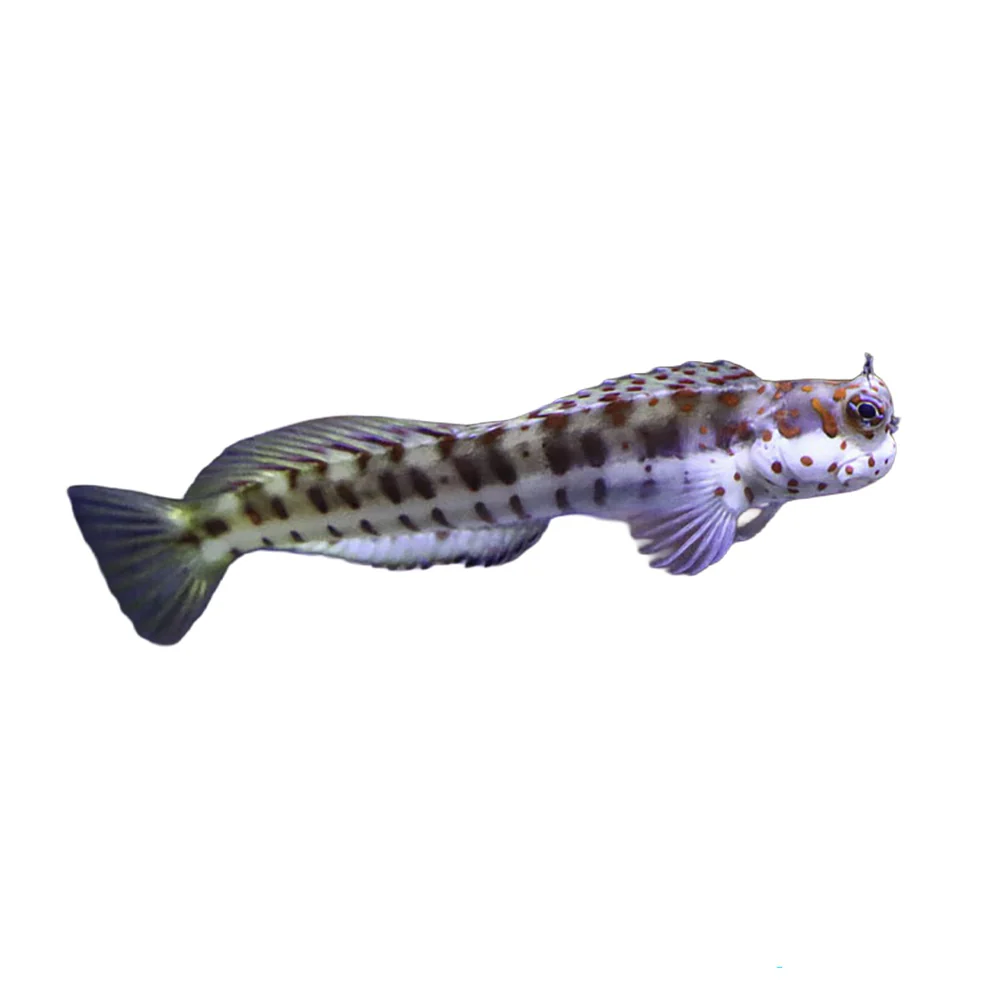
The Red-spotted Blenny, also known as the Orange-spotted Blenny, is a delightful and visually interesting bottom-dweller from the Indo-Pacific. It is celebrated for its intricate pattern of bright orange-to-red spots peppered across a pale, greenish-white body. Like the Linear Blenny, it is a member of the combtooth blenny family, meaning it spends its day meticulously grazing on the film algae that grows on your live rock.
Key Information
-
Common Names: Red-spotted Blenny, Orange-spotted Blenny, Gold-spotted Rockskipper
-
Scientific Name: Blenniella chrysospilos
-
Origin: Indo-Pacific (East Africa to the Line Islands)
-
Max Size: 12 cm (approx. 4.7 inches)
-
Lifespan: 5–8 years
-
Temperament: Peaceful; though territorial toward similar species
-
Diet: Herbivore – Specialized algae grazer
-
Care Level: Easy to Moderate
Appearance & Identification
The Red-spotted Blenny has a highly textured and "organic" look:
-
Spotted Pattern: Features rows of small, vivid red or orange dots that cover the head and body, often extending onto the dorsal fin.
-
Camouflage: Its base color is a mottled silvery-white to olive, allowing it to blend perfectly into sun-drenched reef flats and rocky shores.
-
Distinctive Fins: Its dorsal fin is long and continuous, often showing subtle red barring that matches its body spots.
-
Blunt Head: Like most combtooth blennies, it has a steep, blunt forehead and large, high-set eyes that move independently.
Behavior & Tank Compatibility
-
The Rockskipper: In the wild, these fish are often found in the "intertidal zone," where they skip between tide pools. In the aquarium, they are constant grazers, keeping your rockwork clean of film algae.
-
Reef Safe: Yes, generally considered reef-safe. However, if natural algae levels are low, they may occasionally nip at the base of SPS corals or mantle of clams out of hunger.
-
Aggression: They are peaceful toward most tank mates but will fight with other blennies (especially other Blenniella or Istiblennius species). Only keep one per tank.
-
Tank Mates: Best kept with Clownfish, Tangs, and peaceful Wrasses. Avoid aggressive predators that might see this bottom-dweller as a snack.
Ideal Tank Setup
-
Tank Size: A minimum of 115L (30 Gallons) is recommended.
-
Established Live Rock: This is the most important factor. They need a mature tank with plenty of surface area for algae growth. They will not thrive in a "sterile" or brand-new aquarium.
-
Oxygenation: They naturally inhabit high-energy surge zones, so they appreciate strong water movement and high oxygen levels.
-
Lid: Like all blennies, they are extraordinary jumpers. A tight-fitting lid is essential to prevent them from "skipping" right out of the tank.
Why Choose the Red-spotted Blenny?
The Red-spotted Blenny is a fantastic "utility" fish with a unique, exotic look. It provides a level of algae maintenance that is hard to beat, while its red-on-white pattern adds a sophisticated pop of color to the lower regions of the tank. If you have an established reef with plenty of rockwork and want a hardy, interactive "character" fish that earns its keep, the Red-spotted Blenny is an excellent choice.
Red-spotted Blenny (Blenniella chrysospilos)
The Red-spotted Blenny, also known as the Orange-spotted Blenny, is a delightful and visually interesting bottom-dweller from the Indo-Pacific. It is celebrated for its intricate pattern of bright orange-to-red spots peppered across a pale, greenish-white body. Like the Linear Blenny, it is a member of the combtooth blenny family, meaning it spends its day meticulously grazing on the film algae that grows on your live rock.
Key Information
-
Common Names: Red-spotted Blenny, Orange-spotted Blenny, Gold-spotted Rockskipper
-
Scientific Name: Blenniella chrysospilos
-
Origin: Indo-Pacific (East Africa to the Line Islands)
-
Max Size: 12 cm (approx. 4.7 inches)
-
Lifespan: 5–8 years
-
Temperament: Peaceful; though territorial toward similar species
-
Diet: Herbivore – Specialized algae grazer
-
Care Level: Easy to Moderate
Appearance & Identification
The Red-spotted Blenny has a highly textured and "organic" look:
-
Spotted Pattern: Features rows of small, vivid red or orange dots that cover the head and body, often extending onto the dorsal fin.
-
Camouflage: Its base color is a mottled silvery-white to olive, allowing it to blend perfectly into sun-drenched reef flats and rocky shores.
-
Distinctive Fins: Its dorsal fin is long and continuous, often showing subtle red barring that matches its body spots.
-
Blunt Head: Like most combtooth blennies, it has a steep, blunt forehead and large, high-set eyes that move independently.
Behavior & Tank Compatibility
-
The Rockskipper: In the wild, these fish are often found in the "intertidal zone," where they skip between tide pools. In the aquarium, they are constant grazers, keeping your rockwork clean of film algae.
-
Reef Safe: Yes, generally considered reef-safe. However, if natural algae levels are low, they may occasionally nip at the base of SPS corals or mantle of clams out of hunger.
-
Aggression: They are peaceful toward most tank mates but will fight with other blennies (especially other Blenniella or Istiblennius species). Only keep one per tank.
-
Tank Mates: Best kept with Clownfish, Tangs, and peaceful Wrasses. Avoid aggressive predators that might see this bottom-dweller as a snack.
Ideal Tank Setup
-
Tank Size: A minimum of 115L (30 Gallons) is recommended.
-
Established Live Rock: This is the most important factor. They need a mature tank with plenty of surface area for algae growth. They will not thrive in a "sterile" or brand-new aquarium.
-
Oxygenation: They naturally inhabit high-energy surge zones, so they appreciate strong water movement and high oxygen levels.
-
Lid: Like all blennies, they are extraordinary jumpers. A tight-fitting lid is essential to prevent them from "skipping" right out of the tank.
Why Choose the Red-spotted Blenny?
The Red-spotted Blenny is a fantastic "utility" fish with a unique, exotic look. It provides a level of algae maintenance that is hard to beat, while its red-on-white pattern adds a sophisticated pop of color to the lower regions of the tank. If you have an established reef with plenty of rockwork and want a hardy, interactive "character" fish that earns its keep, the Red-spotted Blenny is an excellent choice.
Original: $46.46
-65%$46.46
$16.26Description
Red-spotted Blenny (Blenniella chrysospilos)
The Red-spotted Blenny, also known as the Orange-spotted Blenny, is a delightful and visually interesting bottom-dweller from the Indo-Pacific. It is celebrated for its intricate pattern of bright orange-to-red spots peppered across a pale, greenish-white body. Like the Linear Blenny, it is a member of the combtooth blenny family, meaning it spends its day meticulously grazing on the film algae that grows on your live rock.
Key Information
-
Common Names: Red-spotted Blenny, Orange-spotted Blenny, Gold-spotted Rockskipper
-
Scientific Name: Blenniella chrysospilos
-
Origin: Indo-Pacific (East Africa to the Line Islands)
-
Max Size: 12 cm (approx. 4.7 inches)
-
Lifespan: 5–8 years
-
Temperament: Peaceful; though territorial toward similar species
-
Diet: Herbivore – Specialized algae grazer
-
Care Level: Easy to Moderate
Appearance & Identification
The Red-spotted Blenny has a highly textured and "organic" look:
-
Spotted Pattern: Features rows of small, vivid red or orange dots that cover the head and body, often extending onto the dorsal fin.
-
Camouflage: Its base color is a mottled silvery-white to olive, allowing it to blend perfectly into sun-drenched reef flats and rocky shores.
-
Distinctive Fins: Its dorsal fin is long and continuous, often showing subtle red barring that matches its body spots.
-
Blunt Head: Like most combtooth blennies, it has a steep, blunt forehead and large, high-set eyes that move independently.
Behavior & Tank Compatibility
-
The Rockskipper: In the wild, these fish are often found in the "intertidal zone," where they skip between tide pools. In the aquarium, they are constant grazers, keeping your rockwork clean of film algae.
-
Reef Safe: Yes, generally considered reef-safe. However, if natural algae levels are low, they may occasionally nip at the base of SPS corals or mantle of clams out of hunger.
-
Aggression: They are peaceful toward most tank mates but will fight with other blennies (especially other Blenniella or Istiblennius species). Only keep one per tank.
-
Tank Mates: Best kept with Clownfish, Tangs, and peaceful Wrasses. Avoid aggressive predators that might see this bottom-dweller as a snack.
Ideal Tank Setup
-
Tank Size: A minimum of 115L (30 Gallons) is recommended.
-
Established Live Rock: This is the most important factor. They need a mature tank with plenty of surface area for algae growth. They will not thrive in a "sterile" or brand-new aquarium.
-
Oxygenation: They naturally inhabit high-energy surge zones, so they appreciate strong water movement and high oxygen levels.
-
Lid: Like all blennies, they are extraordinary jumpers. A tight-fitting lid is essential to prevent them from "skipping" right out of the tank.
Why Choose the Red-spotted Blenny?
The Red-spotted Blenny is a fantastic "utility" fish with a unique, exotic look. It provides a level of algae maintenance that is hard to beat, while its red-on-white pattern adds a sophisticated pop of color to the lower regions of the tank. If you have an established reef with plenty of rockwork and want a hardy, interactive "character" fish that earns its keep, the Red-spotted Blenny is an excellent choice.